
Future shapers
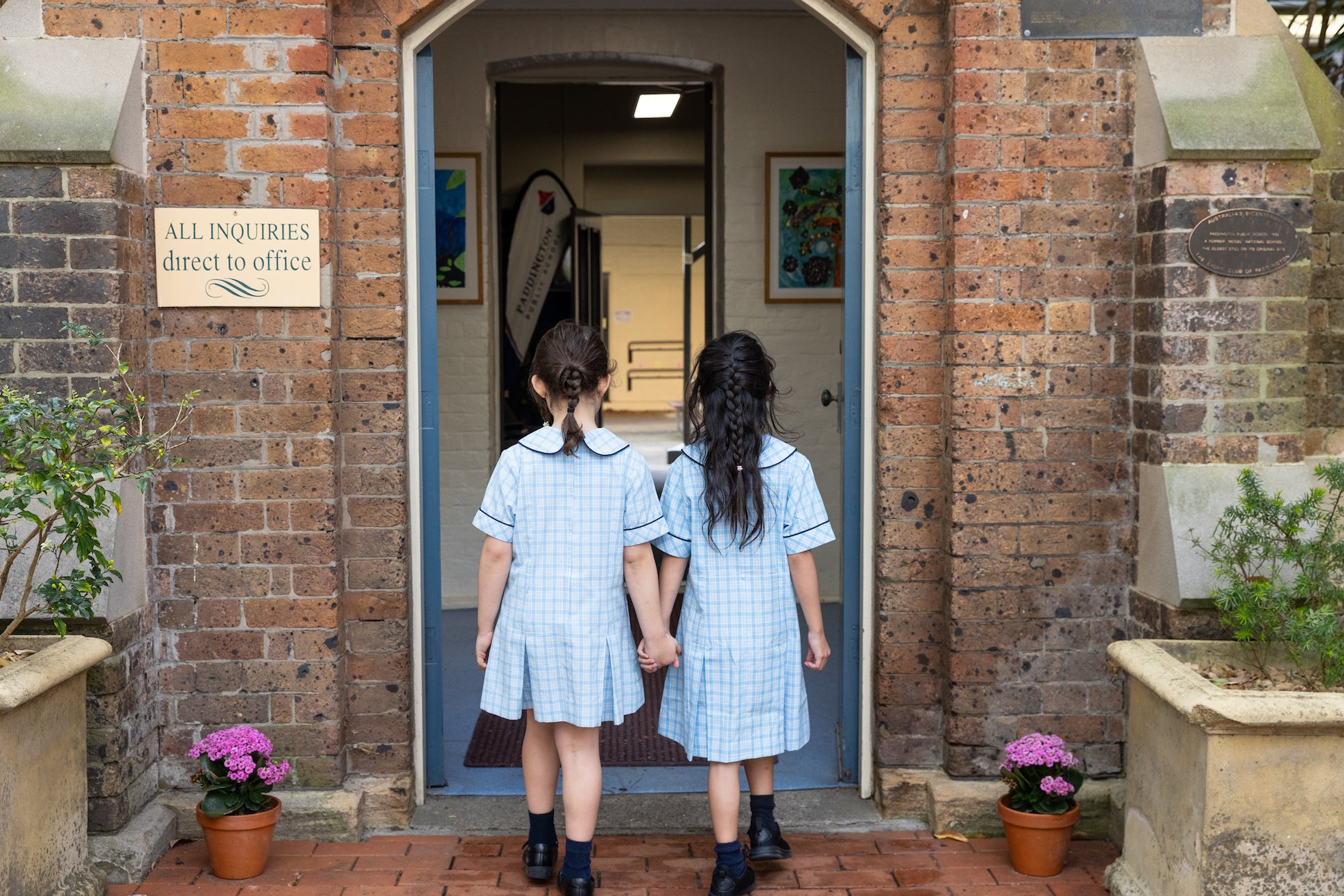
There are few places that reveal the character of a suburb more than the local school gates. Every weekday morning, the roads surrounding Oxford St come alive with children on scooters, siblings walking hand in hand and parents catching up before the first bell. It’s a ritual that has played out in Paddington for generations.
Since opening in 1856, Paddington Public School has welcomed thousands of local children and has grown and evolved alongside the suburb. For principal Lisa Larkin, who has led the school for the past nine years, being the custodian of one of NSW’s oldest public schools is a responsibility she doesn’t take lightly.
“It’s quite remarkable that this site has been educating children for 170 years,” Larkin reflects. “It’s tough times for public education, especially in the eastern suburbs, and I feel both honoured and proud of how we keep evolving.”
The story of Paddington Public School began before there was even a classroom. In the 1840s, workers poured into the area to build Victoria Barracks. Families soon followed, opening shops along South Head Rd (now Oxford St) and establishing dairy farms and vegetable gardens. Slowly, what had once been open land transformed into a growing community. By 1851, around 1389 people called Paddington home.
The one thing they didn’t have was a school. In those days, there was no government department waiting to build one. If local families wanted their children educated, they had to make it happen themselves. They needed to guarantee at least 30 students, pay the teacher’s salary and contribute towards the cost of the building.
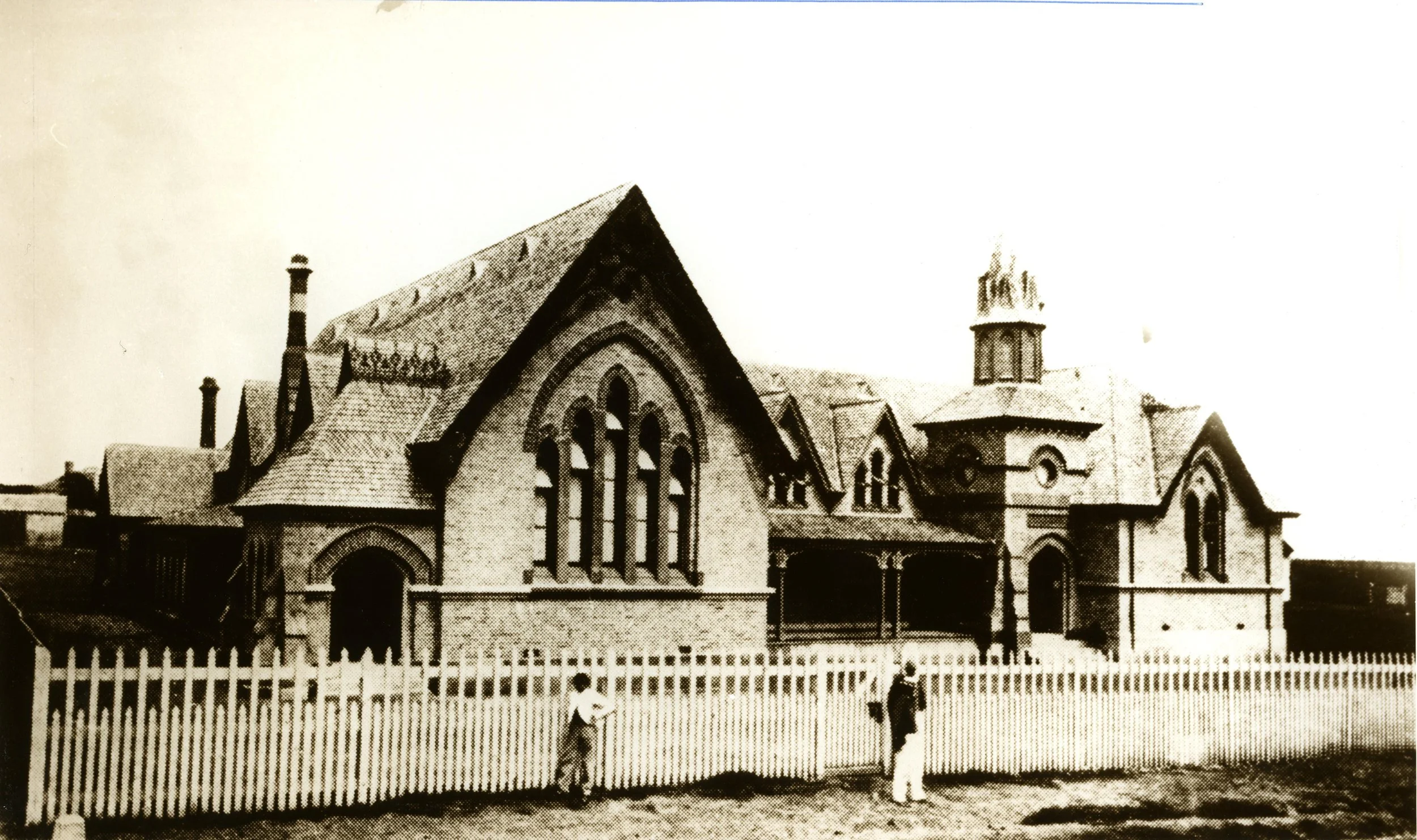
On Monday, May 5, 1856, Paddington Public School opened its doors to 227 students and four teachers in a prefabricated iron schoolhouse shipped from Liverpool, England. Designed as a quick solution for a rapidly growing colony, it lasted 10 years before being replaced by a more permanent brick structure, now the ground floor of the school’s main building.
Life at the new school wasn’t without its challenges. With no running water, 60 buckets of water had to be delivered by horse and cart each week. But the biggest change came in 1880, when NSW premier Sir Henry Parkes introduced free, compulsory and secular education. Enrolments surged, opening the classroom to children whose futures suddenly stretched beyond the path of the generations before them.
“For me that’s the quality of public education,” says Larkin. “It’s for everyone.”
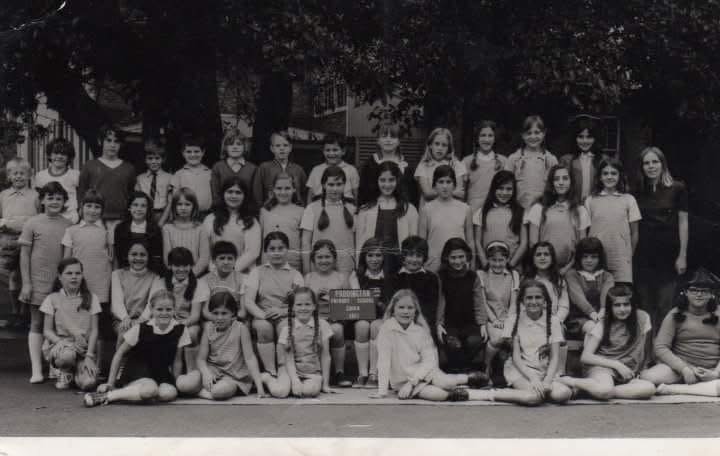
During the decades, Paddington Public has welcomed the children of labourers, migrants, shopkeepers and professionals, reflecting the changing face of the suburb. Former students are now spread across Australia and across the world. Paul Wells, who attended Paddington Public from 1973 to 1979 and now lives overseas, says the school gave him far more than a classroom education.
“[I remember] having the freedom to walk to and from school on my own, the friendships and playing in the streets,” he says. “Some of those friendships have lasted a lifetime. I still keep in touch with at least six people from my years at Paddington Public.”
Ask Wells what he remembers most and it’s not report cards or test scores. It’s rescuing a kitten on the way to school, themed cultural weeks, and turning chip packets into “shrinkies” on the classroom's gas heaters. “I could go on and on,” he says.
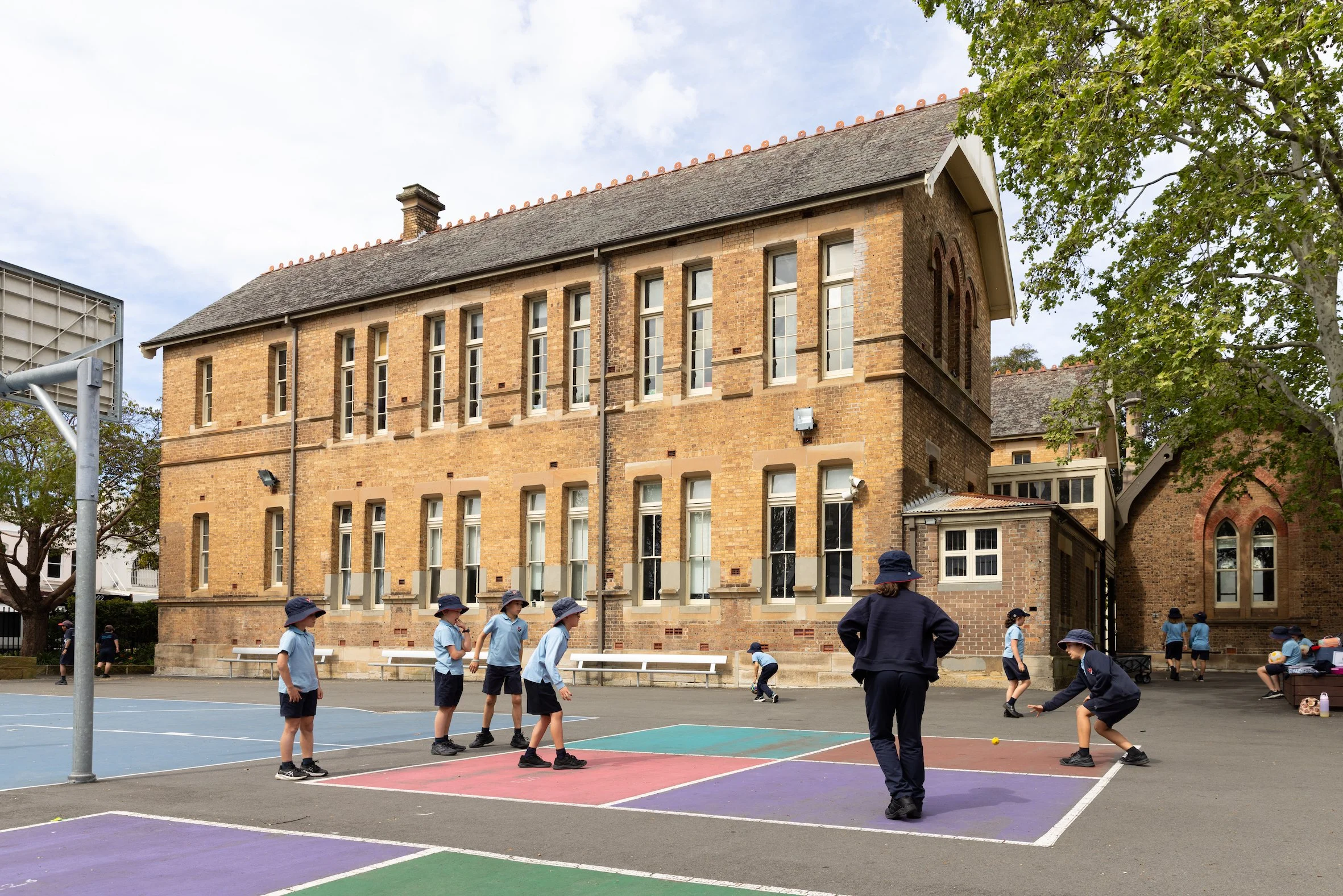
However, as the school celebrates its 170th birthday, it also finds itself at another pivotal moment. Despite its deep roots in the community, enrolments have been steadily declining. In 2025, the school had 147 students.
“It’s an ageing population so there are fewer families living in the area,” Larkin says. “At the same time, we’re seeing more families move out to larger homes in the suburbs and children leaving for private schools earlier than they once did.”
For some, a 170th birthday might be an excuse to look back. But Paddington Public is using the milestone to look ahead. “We’re not dusty and old,” Larkin laughs. “We’re actually really innovative.”
That innovation is most visible inside the school’s Makerspace, where students learn robotics, animation, coding and design thinking. According to Peter Kardasis, who leads Paddington Public’s STEAM (Science, Technology, Engineering, Arts and Mathematics) program, the goal isn’t simply to teach technology, but to equip students with the confidence to navigate an ever-changing world.
“Our job is to give students as many opportunities as possible to understand and explore new technology, new ways of learning and future career paths,” he says. “We want them to leave Paddington Public feeling really confident and positive about what’s ahead.”
It’s a remarkable shift. When the school opened in 1856, teachers were preparing children for a world of horse-drawn carts, handwritten ledgers and gas lamps. Today, they’re preparing them for artificial intelligence and careers that don’t yet exist.
But Kardasis believes the most important skills haven’t changed as much as we might think. “Working together with people, being collaborative and solving problems are deeply embedded in everything we do,” he says.
During its 170 years, Paddington Public has continually adapted to the world around it. Yet Larkin believes its greatest strength has never changed.
“The reason this school has lasted this long is because of the community relationships,” she says. “Local residents feel the school belongs to them, even if they were never even students here. Our staff feel it too. We might not all live in Paddington, but we feel part of this community.”
That connection has been visible every Saturday for the past 50 years with Paddington Markets filling the school grounds. Larkin says that community spirit is evident in the box of apples donated each week by QE Foodstores, ready for students who need an extra snack. “We receive so many donations. There’s just this warmth and love.”
In many ways, Paddington Public didn’t simply grow alongside the suburb. It helped shape it. The parents who came together to build the school in 1856 could never have imagined what it would become. But they understood something that feels even more valuable in 2026: that educating children has always been a community effort.